Why are my windows wet on the inside?
Yup! We get this one a lot!
Modern windows are very good at keeping the warm in; in fact they are so good that they keep other things in as well, such as moisture and odours (yuk!). For a home to be healthy it has to breathe; relative humidity needs to be around the 45% mark to be comfortable; below 30% is too dry and above 60% is too damp. People create moisture – we constantly breathe out warm, damp air. Cooking, bathing, showering and washing also create a lot of moisture and this has to go somewhere. Even the best double glazing will always cool quicker than the surrounding walls and this is why you get condensation on the window panes. Look at your bedroom window after a night’s sleep – all that wet was you puffing away. Well done Mr Soggy. Now look in an empty bedroom – there should be a lot less there.
In the 70’s we were told to block up all the nooks and crannies in our homes, what with the energy prices going up and this has stayed in the national psyche. Shut that door! Close the ruddy window! Do you think I’m made of money etcetcetc. All this was very laudable at the time, but in the 1970's, only 5 people had double-glazing in the whole of the UK. OK, 6 people. Since then and despite our best efforts to the contrary, modern building practices have crept into the UK and, for the most part, our homes are a lot better built than they used to be. Double-glazing is now compulsory on all new-builds. All this is super and keeping us warm and snug, but what with all the labour-saving devices we have nowadays, such as washing-machines, tumble dryers, dishwashers; as well as the advent of cooking done for pleasure, as opposed to penance (rice-cooker, anyone?!) we're making a lot more moisture than we used to. And if the house isn't properly ventilated, the wet can't go anywhere and is going to stay indoors with us. Damp socks, anyone?
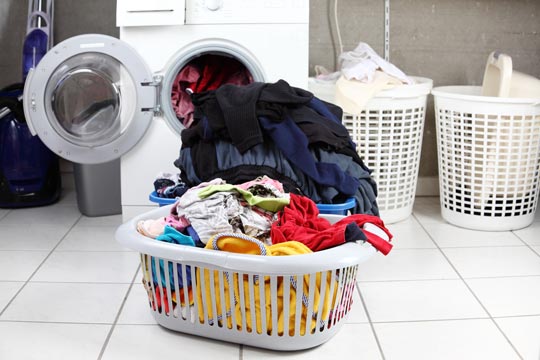
Trickle vents on windows help keep air circulating in a home, without creating a draught, but don’t expect them to extract all the moisture from the air if you run an unvented tumble dryer indoors (you know who you are!). One cycle in a tumble dryer will output around 5 litres (about 9 pints) of water into the air. Between that and microwaving your coffee to keep it hot, before you know it, you've got mold forming on the corners of your windows.
I think you've probably got the message by now; I could go on (and, according to my colleagues, frequently do) but I'll leave you in peace now. If you're keen, we've a nice, informative article on ventilation here. Now go and turn off that tumble dryer in your spare room (you know who you are!)